
Listening to a seasoned and successful Medical Device Sales Rep . . .
Here’s what we learned:
1. Avoid the “Spray and Pray” approach
Salespeople will use a “spray and pray” method. They say a lot without really saying anything. They are not understanding the client’s needs or perspective. Instead, they “spray” them with predetermined talking points and “pray” that it will stick.
2. Avoid Resource Dumping
Another common mistake we were told salespeople make is resource dumping. Of course, external information can be incredibly useful. However, it must be relevant to the customer. When a salesperson does not get the feeling their message is hitting home, they become anxious. So, they resource dump. They start throwing all kinds of stuff at their client: white papers, clinical outcomes and research. They simply hope that something is going to resonate.
3. Don’t Disrespect Time
After the “Spray and Pray,” and resource dumping, the rep does not always realize what they have done. They’ve wasted their client’s most precious resource: their time. The interactions between medical device sales reps and clinicians have a lot at stake. These can be incredibly large deals, and the sales rep has essentially disrespected the client by not addressing their direct problems.

The Opportunity:
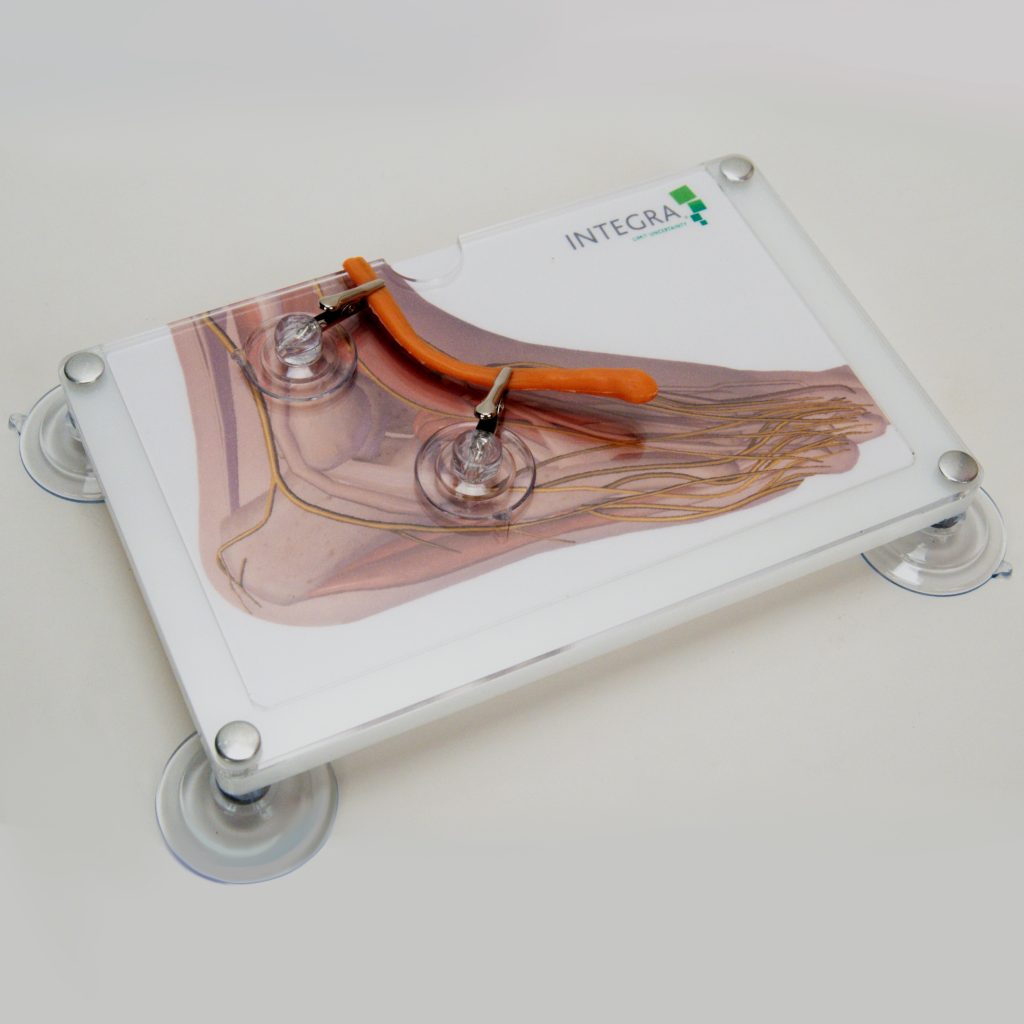
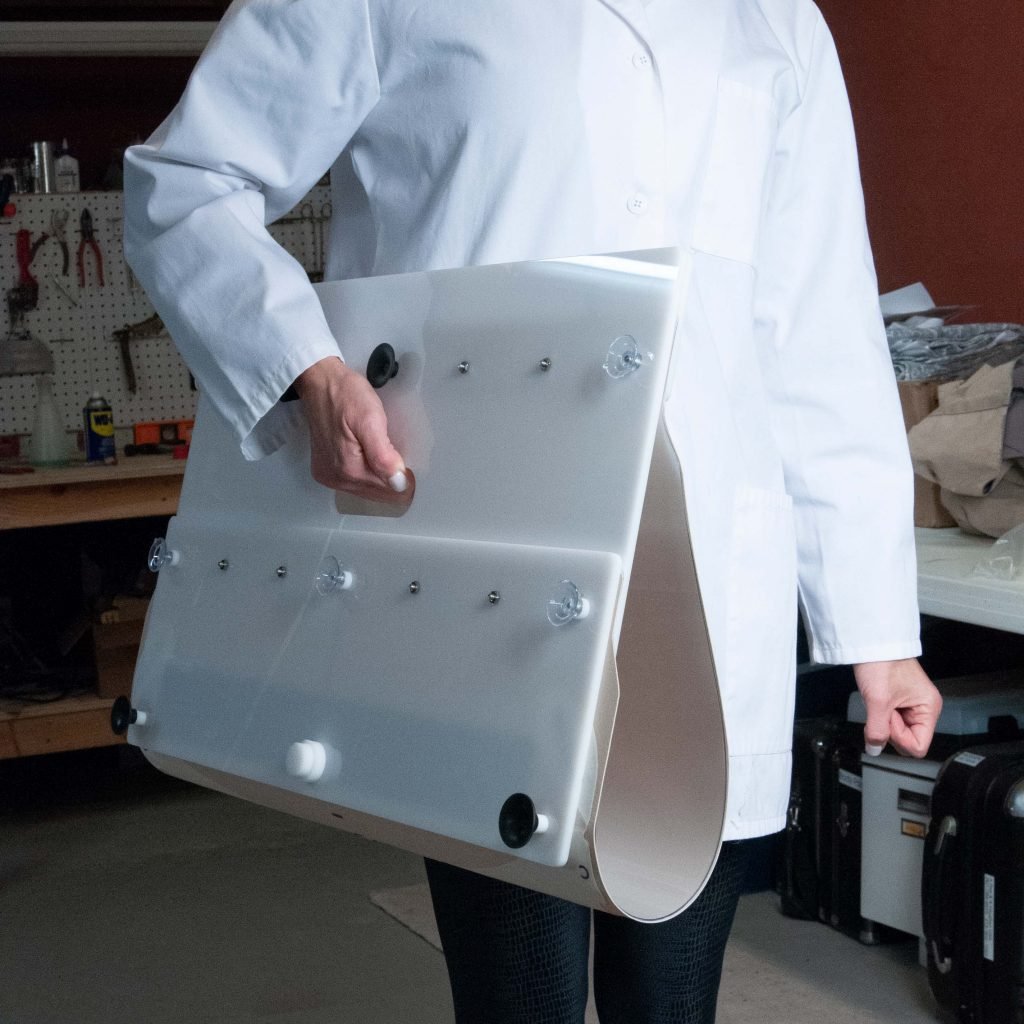
I left my call with this Sales Rep with a better understanding of the opportunities of our models to pre-choreograph the interaction between a sales rep and their target audience. A carefully planned model with in-depth knowledge of the clinicians’ objections, questions, and preconceived ideas, will automatically avoid all these common mistakes.
If we can help a team create a beautiful and branded model to tell their story perfectly, with the clinician’s needs in mind, we can avoid sales reps wondering after a missed opportunity, “How long will it take to get another chance? How do I regain credibility? Have I tarnished my reputation with other clinicians?”
A well-designed model is not only telling a story device but also acts as a valuable tool to support emotional alignment and connection. Models help sales reps work with the clinician toward a common goal of communication and learning.